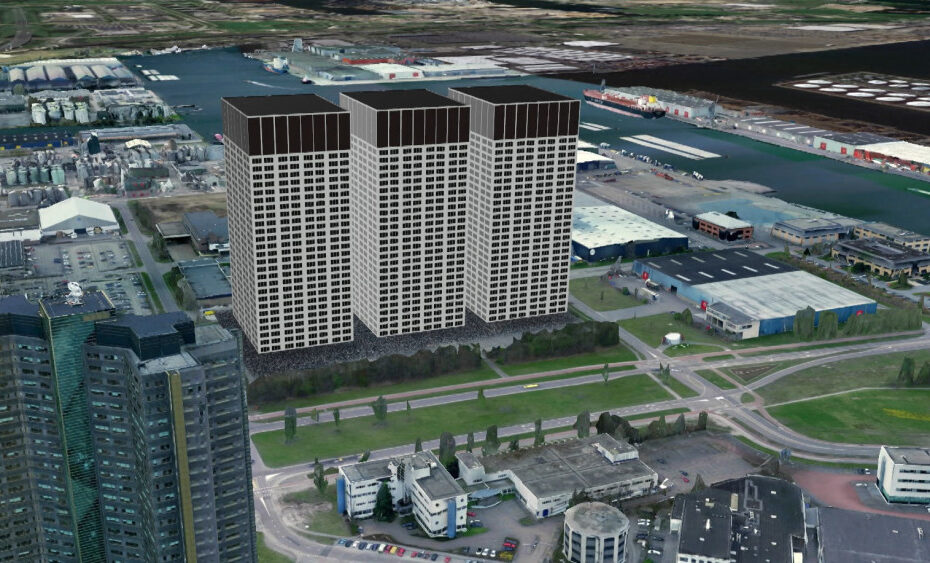
I started writing Human Software in 2024, both as a response to the growing influence of AI, large language models, and data centres on our communities, our climate, and our livelihoods and as a reaction to the ongoing commodification of the software engineering profession.
As a career software engineer, I’ve seen firsthand how people at work and even everyday folk in our neighbourhoods often ignore the bigger issues unfolding around them because they’re consumed by the immediate demands of everyday life. That’s understandable. Most of us don’t feel we have any meaningful influence over global politics or the direction of the technology industry. But what we’re seeing now, in increasing amounts, is the impact of global decisions on our local communities. And yet, simultaneously, software engineers are easily influenced by trends – by what’s going on now, the next big thing. While we have incredible brains adept at critical thinking about solutions, why don’t we apply the same thinking to the impact of new technologies?
Almost a year after the publication of Human Software, I’m seeing growing resistance to AI infrastructure and data centres in the media and across the world. Concerns that once seemed niche are becoming part of the mainstream public debate.
For those of us working in software, data centres have been part of our daily lives for decades. That familiarity has made many of us complacent. I know it has made me question my own role. It’s easy to become accustomed to the infrastructure that underpins our work and to accept it as inevitable, without asking whether the direction we’re heading is one we should support.
The major public cloud providers have never hidden their ambitions to build at enormous scale. As engineers, we’ve embraced the convenience, flexibility, and reliability that these hyperscalers have given us. But in doing so, it feels as though we’ve sleepwalked into a political, environmental, and social crisis that affects us all. The whole planet.
The costs are well documented. Data centres consume vast amounts of electricity and water. They occupy huge areas of land, reshape local communities, and increasingly compete for scarce natural resources. At the same time, demand for AI is accelerating, driving an unprecedented expansion of this infrastructure.
The question is whether we’ve mistaken technological capability for technological necessity. Just because we can build ever-larger systems doesn’t mean we should.
Where does this end? More importantly, how do we begin to separate our work and our livelihoods from business models that depend on endless growth, resource consumption, and environmental degradation? This is no longer simply a technical question. It’s a moral one.
As software engineers and IT professionals, we have choices to make. How do we minimise the impact of the systems we build? How do we challenge assumptions that every problem requires more computation, more infrastructure, and more consumption? And how do we reject the idea that greed and endless expansion are simply inevitable features of our industry?
These are uncomfortable questions. But to my mind, they’re questions our profession can no longer afford to ignore.
—
Inspired by a couple of recent pieces on The Verge, and also in my local neighbourhood in Amsterdam. If you’re interested in learning more about how green software initiatives are already shaping up globally, you can head to the Green Software Foundation.